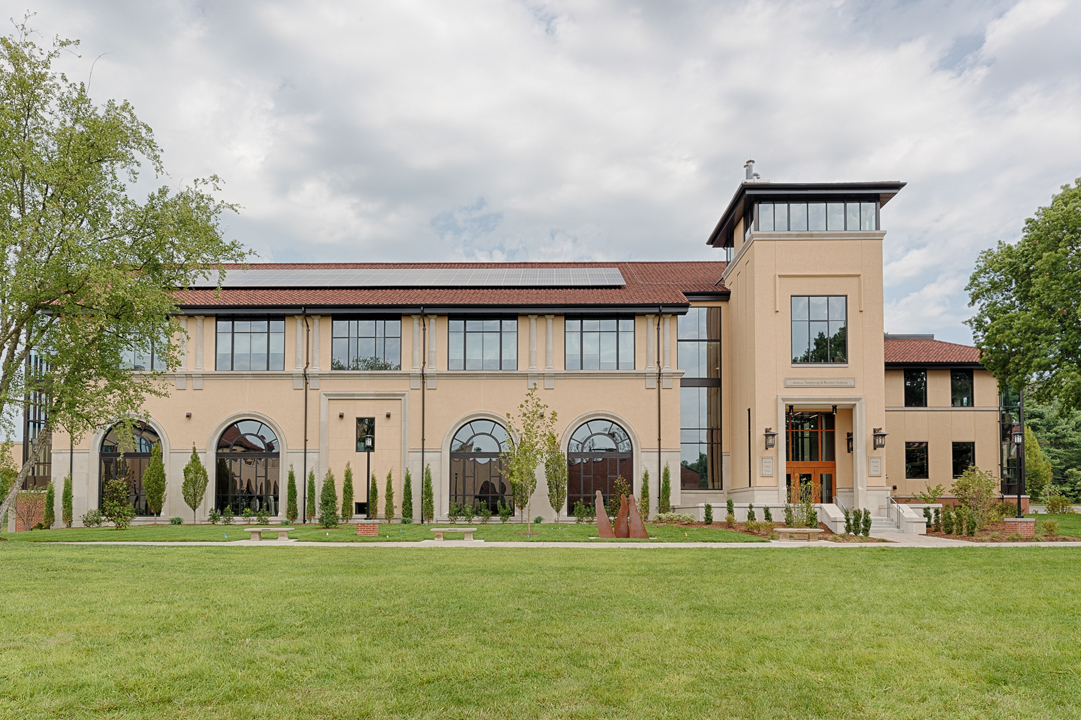
The new three-story 76,500 sq. ft. STAR building and library on the John Burroughs campus provides students with a first-class environment to focus on the study of science, engineering, family and consumer science, computer science, and technology.
The LEED Gold certified Science Technology and Research building houses the physics, chemistry, biology, environmental science, and neuroscience classes, complete with a biodiesel lab which allows students to convert kitchen waste oil into biofuel. The engineering department includes a metals lab, woodworking shop, a 3-D printing lab, a robotics lab, and drafting and design spaces.
Other notable features of this high-tech building include a two-story library, an automated self-regulated greenhouse, an auditorium for symposiums and guest speakers, and a collaborative design Maker Space for constructivist, hands-on learning.
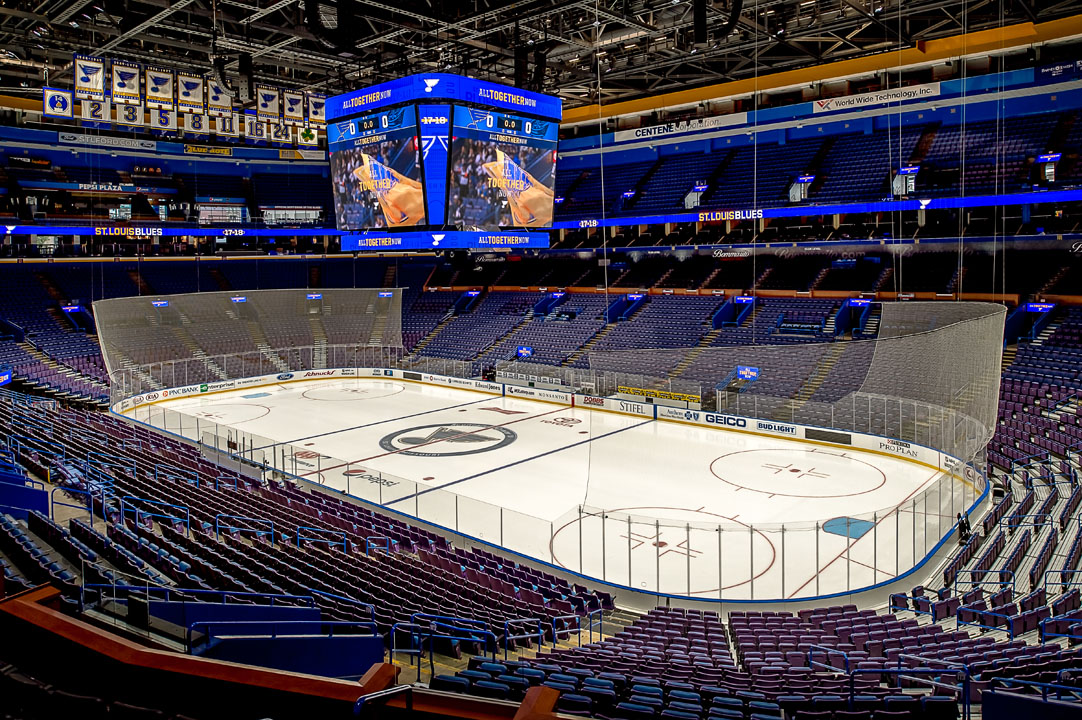
PARIC Corporation proudly partnered with the St. Louis Blues and Enterprise Center on the dramatic renovation of several areas in the arena. These renovations were coordinated using multiple teams simultaneously to meet the challenging schedule of an active sports arena and entertainment venue.
ICE RINK REPLACEMENT
The complete demolition and reconstruction of the ice rink were the most labor-intensive improvements. This Olympic-size ice rink was removed and rebuilt in a record-breaking six weeks. As part of this construction process, 50 trucks laid 500 yards of concrete in one continuous 11-hour pour to create a seamless “super-flat floor.” Also, 350 tons of sand were compacted, and 2.5 miles of permafrost pipe were installed. All of this is to keep the ice perfectly chilled. Another 11.4 miles of steel refrigerant piping got laid throughout. This new ice rink provides a high-quality surface for NHL games, NCAA Ice Hockey tournaments, U.S. Figure Skating Championships and other national and international ice-related competitions. This upgrade also includes efficiency and green-initiative improvements for managing the ice.
SCOREBOARDS, SOUND SYSTEM & LIGHTING
Other upgrades to the arena are the new center-hung scoreboard and ribbon board display. As for the center-hug scoreboard, it is a three-ton scoreboard that features twelve screens and is almost twice as large as the old scoreboard. The LED ribbon board added to the first mezzanine level is the first complete 360-degree ribbon board display in the NHL and has a display area of 2,800 sq. ft. Several other lighting and sound upgrades were made throughout the arena. These upgrades will significantly impact the fan experience in the stadium and at home while watching TV.
LOCKER ROOMS AND VIP AREAS
The St. Louis Blues main locker room and NCAA locker rooms were gutted and renovated to meet the needs of today’s professional athletes. Additional changes include a more modern family and entertainment flex space for family members and VIP guests. In addition, there were also updates to the press and media workspaces in an effort to provide the latest technology and equipment.
To meet the growing need for more premium space, a 132-Seat Theater Box section provides a premium seating experience and includes a 44-seat Bar and Lounge with a personal concierge. The suite-level bathrooms received a complete update and renovations to the restrooms and several concession areas on the Plaza and Mezzanine levels.
This 65,000 sq. ft. two-story addition to the Bethesda Hawthorne assisted living campus includes a 60-bed Assisted Living and Memory Support Community. The building includes bedroom units, restaurant-style dining, a spa and wellness area, a salon, a chapel and a library. In addition, 18 new villa homes and a clubhouse have been added as part of The Oaks at Bethesda.
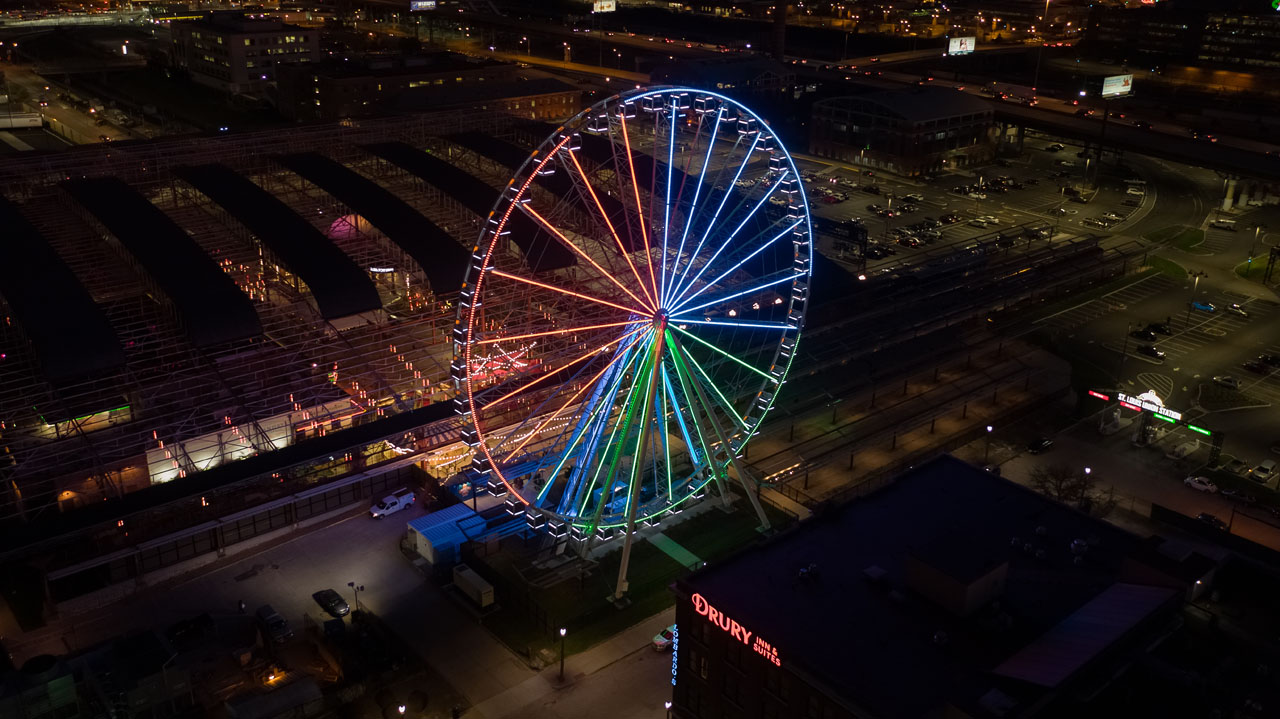
This project includes another round of exciting exterior improvements to the Train Park at Union Station. One of the most anticipated pieces of this project was the St. Louis Wheel, a 200-foot tall Ferris wheel installed near the former Hard Rock Cafe. The wheel features 42 enclosed gondolas and one VIP gondola with leather bucket seats, a stereo system, and a glass observation floor.
Other attractions include the addition of a carousel, miniature golf, and a ropes course.
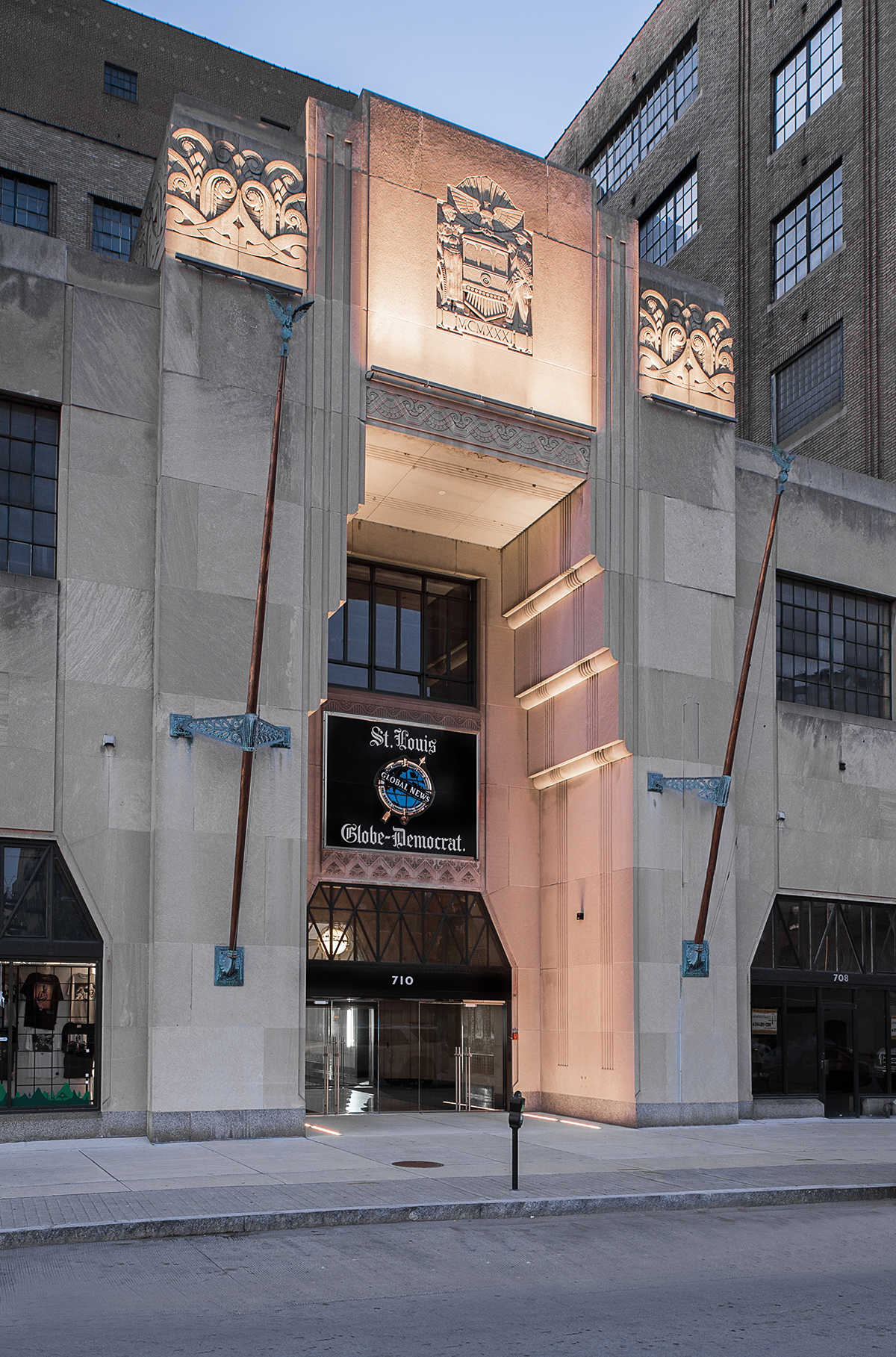
Over the last seven years, PARIC has completed numerous renovations in the historic Globe Building in downtown St. Louis. This historic building has been home to a high-rise railroad freight terminal, a passenger terminal, a war department mapping agency and home to the St. Louis Globe-Democrat. Most recently, the Globe Building has been home to high-end data and office space. Datotel’s 29,000 sq. ft. data center is located here.
The Globe Building renovation included repairs to the basement of an existing facility, such as a new drainage system, utility lines, a new structural wall and renovations to the Globe Building’s lobby and main entrance. Recent renovations include improvements to the garage access stairs, the elevator and the restrooms.
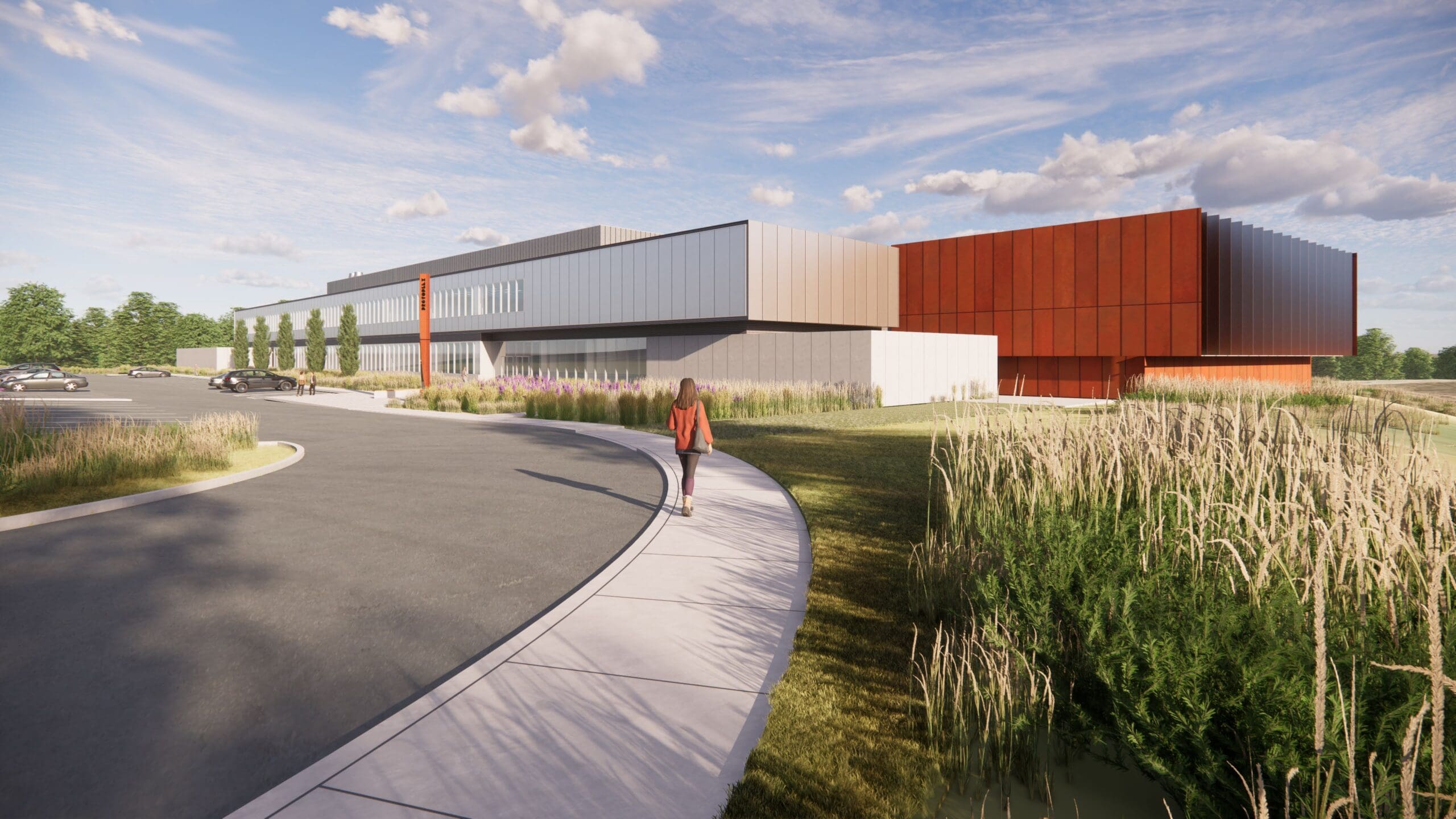
Through a competitive selection process, Missouri University of Science and Technology chose PARIC as construction manager at risk for the new Protoplex building which will anchor the Manufacturing Technology and Innovation Campus.
The facility will serve as a hub connecting industry, state and federal agencies and colleges and universities throughout Missouri, all with the aim of developing new processes and products for Missouri manufacturers. The Protoplex also will streamline the process of moving research and innovation from university laboratories to the marketplace.
The $53.4 million, 116,000-square-foot building includes lab and shop spaces plus high bay or double-height labs. Also included are meeting and collaboration spaces, offices, storage and display spaces plus a lobby area.
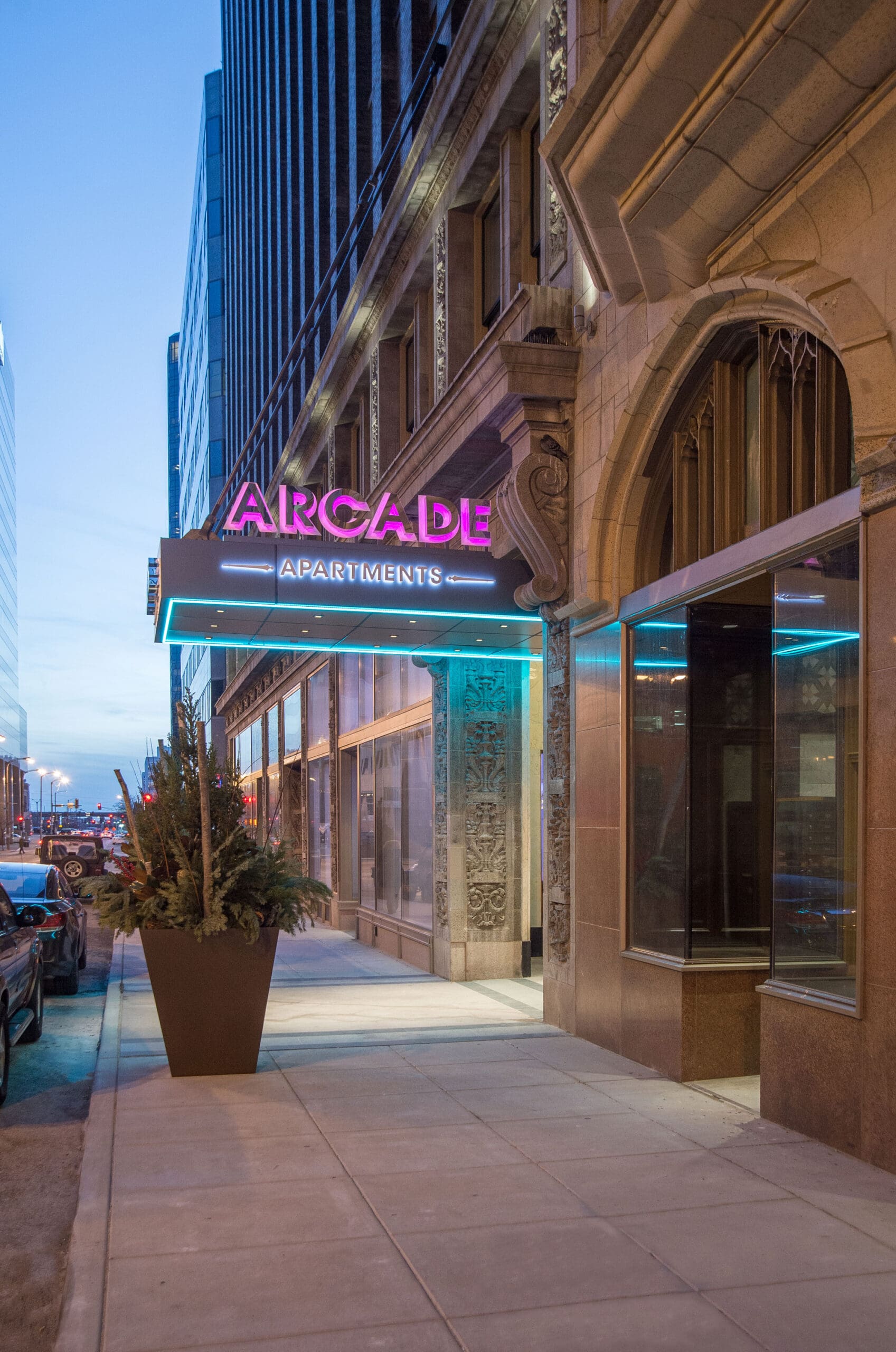
The Arcade Building was originally constructed as two separate buildings: The Wright Building in 1906 and the adjoining Arcade Building in 1919. At the time of its initial completion, this was the tallest concrete structure in the world, as most of the steel in the US was being used in World War I. This site became part of the National Register of Historic Places in 2003, representing the “Gothic Revival” architecture style.
The Arcade Building is a 500,000 sq. ft. complex in downtown St. Louis, Missouri. PARIC’s renovation of this 19-story historic site features 282 total units, including 201 artist lofts, 81 market units, a street-level art gallery, three floors of underground parking, and three lower-level floors occupied by Webster University. Because the Arcade building was the largest vacant building in Downtown St. Louis, there was a lot of local anticipation for re-purposing the project. This was met with 100% tenant occupancy before the grand opening, offering low-income housing.
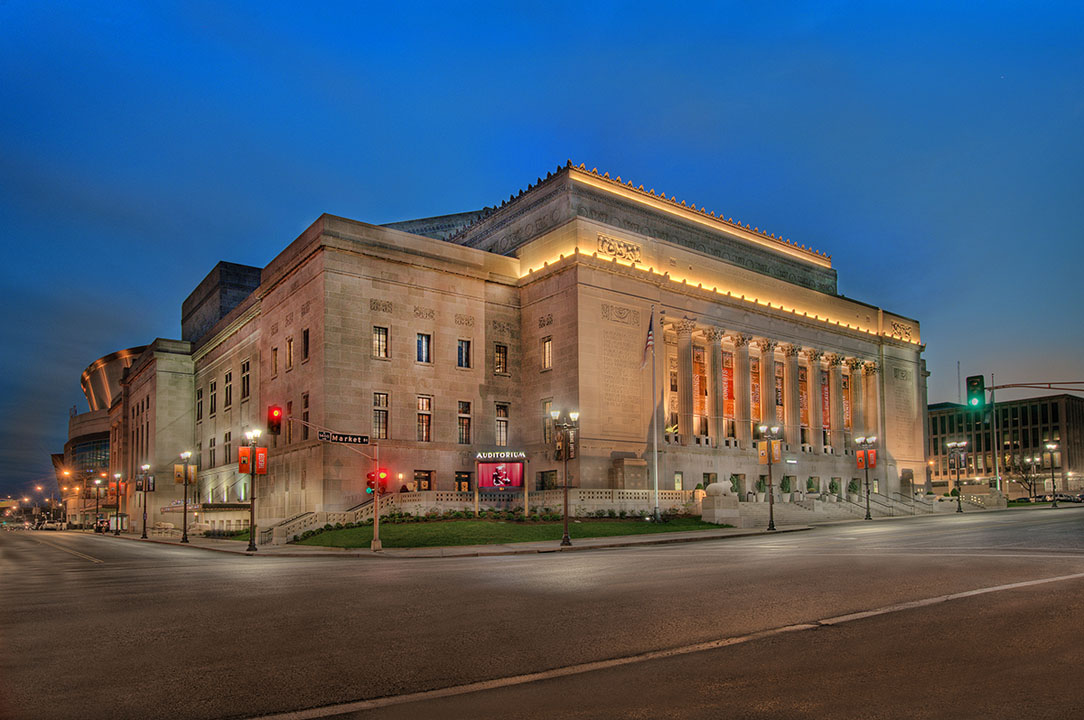
PARIC Construction completed the construction of the Stifel Theatre, formally the Peabody Opera House, in October 2011. The original building was completed in 1934 and contained an auditorium back-to-back with the Opera House. The project included the renovation of the existing five-story, 315,634 sq. ft. building, and various site improvements transformed the Opera House into a full entertainment theatrical event venue. There is a main 3,200-seat theater and four additional side venues. A new VIP entrance located off 14th Street has also been added. Specific areas will be restored and refurbished to their original historical profiles.
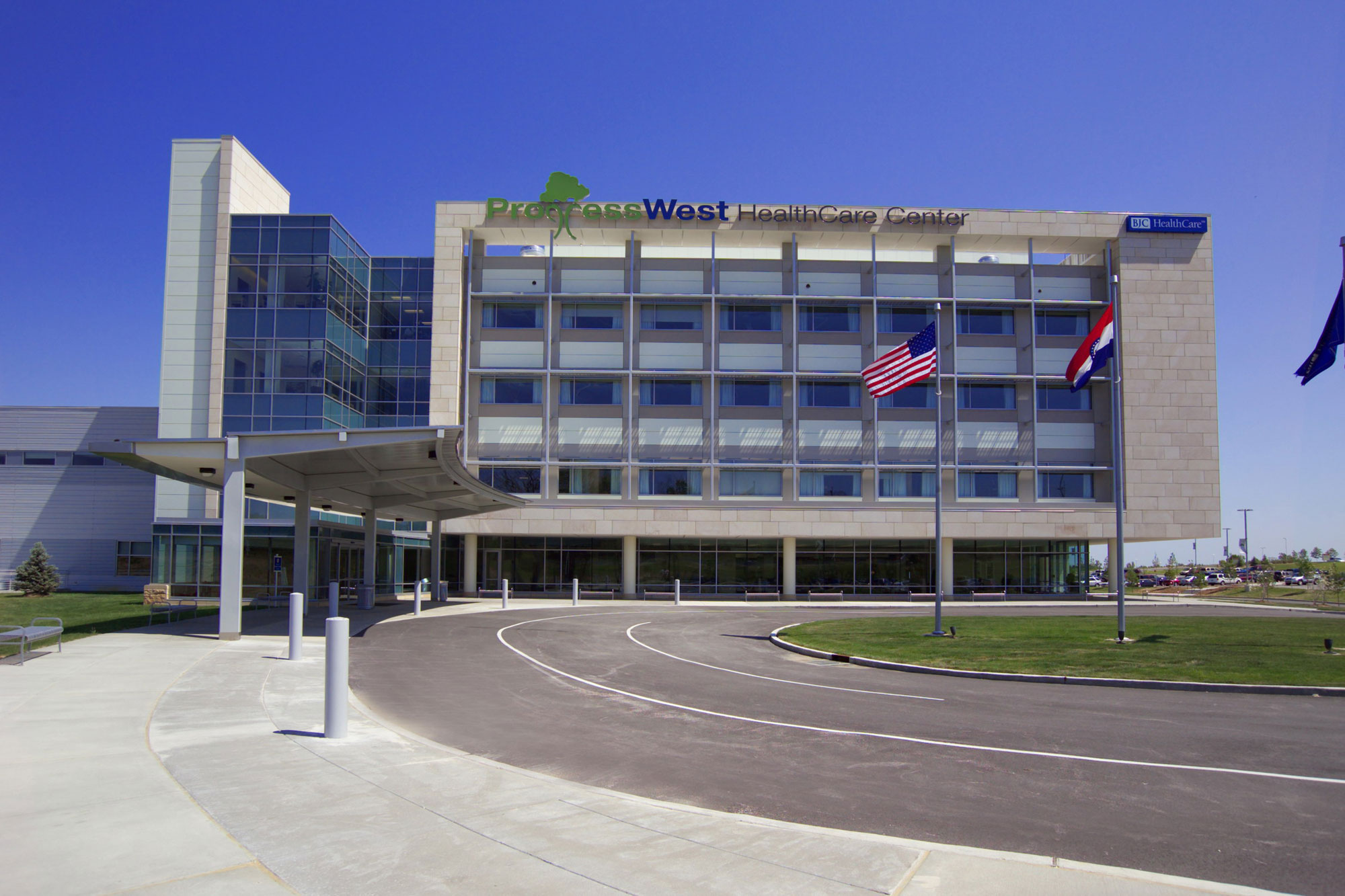
PARIC-Barton Malow Joint Venture was the contractor for the four-story, 178,800 sq. ft., 73-bed new hospital located on the 50-acre site in O’Fallon, MO. The standalone hospital contains an 8,845 sq. ft. emergency department with 12 treatment rooms, a six-bed intensive care unit, four operating rooms, private inpatient rooms, laboratories, a pharmacy and diagnostic and treatment units. The hospital, known as BJC Progress West, also has an endoscopy suite, imaging service units, nine labor and delivery suites, surgical service units, dietary and support services, and physician and administration offices.
The site also has an energy center across the street from the main building and is connected by an underground tunnel.
Progress West is designed to feel more like a modern living space than a research driven hospital. A concierge desk is located at the entrance to rooms, resembling hotel spaces, and all patient rooms are identical.
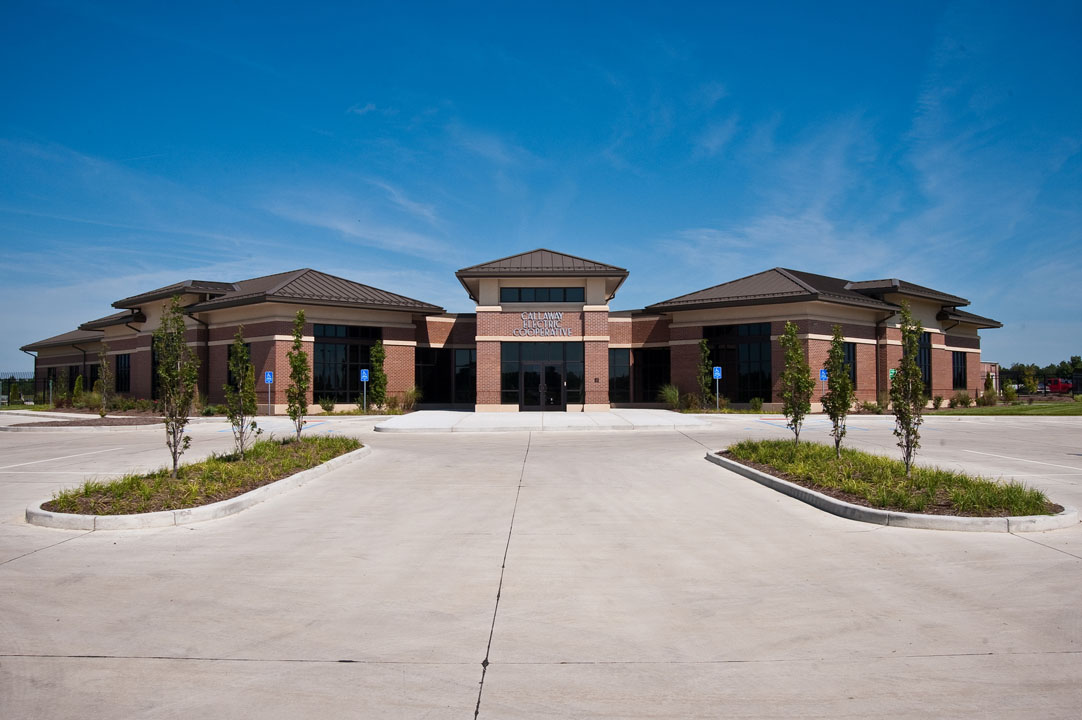
The 82,776 sq.ft. Callaway Electric Cooperative project includes an office building, a concrete panel warehouse and a maintenance building, all on a 120-acre site. The project was designed and built to meet LEED certification, making it one of the first green projects in Callaway County.
The facility has many innovations designed especially to meet the needs of the Cooperative, including a ground source heat pump that is used to heat and cool the entire building complex, electronic locks placed on doors and lights that come on automatically when people enter a room. The new building is designed with an enclosed storage facility with in-floor radiant heating and 14 bays allowing big trucks, even with trailers, to enter through bay doors on one side and exit through the same size large doors on the other side of the building.
The building has numerous meeting rooms to handle the needs of various departments. One meeting room can be divided into two rooms. A conference room with overhead projectors and drop-down screens for presentations has also been added.